Staying compliant in an increasingly regulated rental market
The rental sector continues to face evolving regulations, and one of the latest changes affecting landlords and letting agents in England is the update to the Housing Health and Safety Rating System (HHSRS), which came into effect on 23 June 2026.
Whilst the legal requirement to provide safe and well-maintained homes remains unchanged, the way hazards are assessed and categorised has been modernised to create a clearer, more accessible framework for landlords, tenants and enforcement authorities.
As highlighted by Propertymark in its guidance on the changes, landlords should use this opportunity to review their property management procedures and ensure they are able to demonstrate ongoing compliance.
What is the HHSRS?
The HHSRS is the system used by local authorities to assess health and safety risks within residential properties. It forms a key part of housing enforcement and helps determine whether hazards exist that could impact occupants’ health, safety or wellbeing.
The system covers a wide range of risks, from damp and mould to fire safety, structural issues and electrical hazards.
What’s Changed?
The most significant changes are designed to simplify how hazards are assessed and communicated.
Simplified Hazard Categories
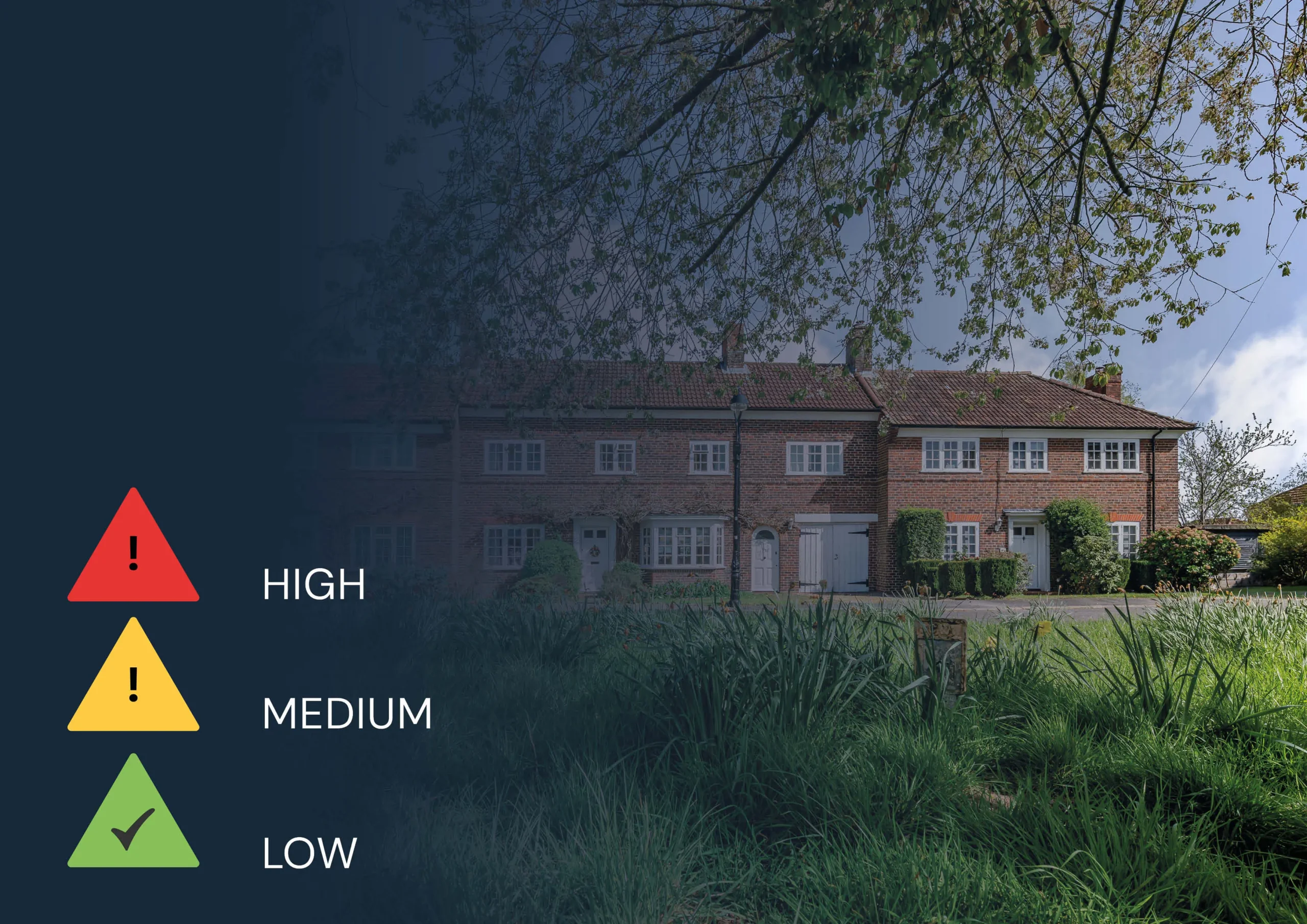
The previous hazard banding system of A to J has been replaced with a more straightforward classification:
- High Risk
- Medium Risk
- Low Risk
This aims to make it easier for property professionals, tenants and enforcement officers to understand the seriousness of identified hazards.
Updated Harm Classifications
The harm classes used within HHSRS assessments have also been simplified and renamed, making the system more accessible without altering the underlying objective of identifying risks to occupiers.
Expanded Fire Hazard Definitions
One particularly important update is the expansion of prescribed fire hazards.
The revised guidance now extends beyond the traditional consideration of fire itself and includes risks associated with:
- Smoke inhalation
- Harmful fumes
- Explosions
- Structural collapse caused by fire or explosion
This wider scope reflects modern understanding of fire-related dangers and reinforces the need for robust risk management within residential properties.
What Does This Mean for Landlords?
Although the assessment framework has changed, enforcement authorities will continue to expect landlords to maintain safe homes and respond promptly to maintenance issues.
Increasingly, compliance is not only about carrying out repairs but also about being able to demonstrate that appropriate management processes are in place.
Landlords should ensure they have:
✓ Regular property inspections
✓ Clear defect reporting procedures
✓ Accurate maintenance and repair records
✓ Documented communication with tenants
✓ Evidence that identified issues are investigated and addressed promptly
Should a local authority inspection, tenant complaint or enforcement action arise, comprehensive records may prove invaluable.
Why Professional Property Management Matters
For many landlords, keeping up with legislative changes can be challenging, particularly alongside the growing demands of compliance, maintenance management and tenant communication.
At Mava Living, our property management team works proactively to help landlords navigate regulatory changes while protecting both their investment and their tenants.
We believe effective management is about more than collecting rent. Regular property inspections, detailed reporting, maintenance oversight and clear communication all contribute to reducing risk and ensuring properties remain compliant with evolving legislation.
The HHSRS updates serve as another reminder that good property management is increasingly focused on evidence, accountability and proactive action.
Our Advice to Landlords
The introduction of the revised HHSRS framework is an excellent opportunity to review your existing management arrangements and ensure your compliance procedures remain robust.
Whether you manage a single buy-to-let property or a larger portfolio, having clear systems for inspections, repairs, safety checks and record-keeping has never been more important.
How Mava Living Can Help
Our experienced residential lettings and property management team supports landlords across the South with:
- Property management and inspections
- Maintenance coordination
- Compliance monitoring
- Tenant communication
- Detailed property reporting
- Advice on legislative and regulatory changes
By taking a proactive approach, landlords can reduce risk, protect their assets and provide safe, high-quality homes for their tenants.
Speak to Mava Living
If you’d like advice on your landlord responsibilities or would like to review your current property management arrangements, we’d be delighted to help.